Overview for Healthcare Professionals
Phase 3 Trial for Platinum‑Resistant Ovarian Cancer
The ASPENOVA Phase 3 clinical trial is evaluating an investigational first-in-class WEE1 inhibitor as a potential treatment for platinum-resistant ovarian cancer (PROC).
Below, healthcare professionals can find key details to help evaluate trial eligibility, understand the investigational therapy, and guide conversations with patients.
Eligibility Criteria
This clinical trial is enrolling people with ovarian cancer that has recurred within six months of completing platinum-based chemotherapy.
The trial uses a biomarker-driven enrollment approach, testing available tumor samples with the clinical trial diagnostic to confirm eligibility. Approximately 50% of people with PROC may be eligible.
Consider submitting eligible patient samples for Cyclin E1 testing now, including patients currently on therapy, to ensure rapid identification upon disease progression.
Inclusion criteria:
- Prior therapy:
- 1 to 3 prior lines or regimens are allowed (4 prior lines are permitted, if prior mirvetuximab soravtansine)
- Prior bevacizumab treatment is required, if eligible per standard of care
- Prior PARP inhibitor treatment is required if BRCA 1/2 mutation or homologous recombination deficiency (HRD), if eligible per standard of care
- Prior mirvetuximab treatment is required, if eligible per standard of care
*The Phase 1 dose escalation/expansion trial was enriched for patients with CCNE1 amplification. The Phase 3 ASPENOVA trial expands eligibility to include all patients with Cyclin E1 protein overexpression, regardless of CCNE1 amplification status.
Mechanism of Action
First-in-Class WEE1 Inhibitor
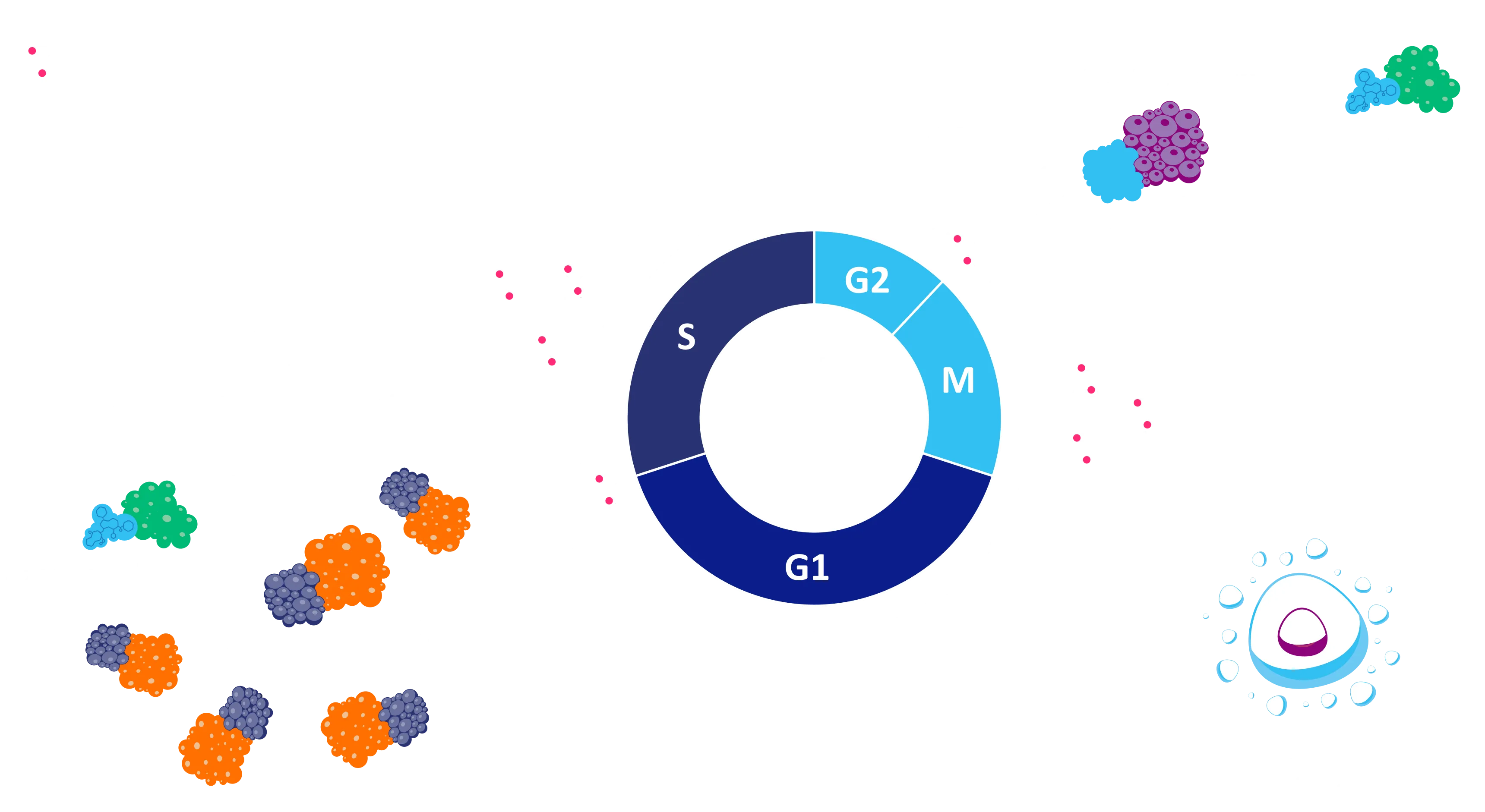
The ASPENOVA Phase 3 trial therapy is the first and only WEE1 inhibitor being evaluated for PROC in a potentially registrational-enabling Phase 3 trial, a breakthrough that is exciting for many in the medical community.
The therapy is administered orally and is designed to target cancer based on specific tumor characteristics identified through Cyclin E1 biomarker testing using a companion diagnostic.
WEE1 is a tyrosine kinase with a key role in several stages of the cell cycle, including the G1-S and G2-M checkpoints through negative regulation of both CDK1/2, preventing replication of cells with damaged DNA.1,2
WEE1 inhibition results in unscheduled mitosis without adequate DNA repair and eventual cancer cell death.1,3
It is a promising target in patients with solid tumors with increased levels of Cyclin E1 protein.
- Increased levels of Cyclin E1 accelerate the G1-S transition.
- This results in replication stress, rendering cells even more sensitive to WEE1 inhibition.4
References:
1. Ghelli Luserna di Rorà A, Cerchione C, Martinelli G, Simonetti G. Targeting WEE1 kinase in cancer therapy. J Hematol Oncol. 2020;13(1):126.
2. Elbæk CR, Petrosius V, Sørensen CS. WEE1 kinase limits CDK activity to promote genomic stability. Mutat Res. 2020;819-820:111694.
3. Esposito F, et al. WEE1 inhibition and DNA damage response in cancer therapy. Int J Mol Sci. 2021;22(19):10689.
4. Kim D, et al. Cyclin E1 overexpression drives replication stress and sensitizes tumors to WEE1 inhibition. NPJ Precis Oncol. 2025;9(1):3.
Patient Experience
If you are considering this trial for your patient, here is what they can expect from participation in the ASPENOVA Phase 3 clinical trial:
This information may help your patient feel more confident in discussing whether the ASPENOVA Phase 3 study is an appropriate next step in their treatment journey.
A Commitment to Collaboration
We partner closely with referring physicians and local care teams to ensure coordinated, continuous care throughout the ASPENOVA clinical trial. With a focus on clear communication and high-touch support, we are committed to advancing care through trusted clinical collaboration.
FIND A SITE NEAR YOUQuestions and Patient Referrals
If you would like more detailed trial materials, or have a patient who may qualify, please contact aspenovamd@zentalis.com